 zoom_in
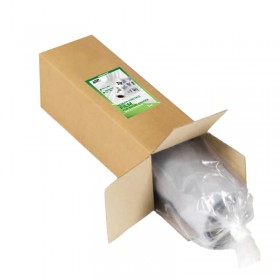
Screen Printing Squeegee Blade 3,6m
- Reference: MTP-Lame-Racle75Sh

€69.00 Tax excluded
Description
The 3.65 m screen printing squeegee blades with dimensions of 9 x 50 mm are suitable for workshops using plastisol inks, water-based inks and specialty inks. You can choose the blade hardness according to the substrate, the desired ink deposit and the level of detail in the design.
In screen printing, a worn squeegee blade quickly becomes noticeable: ink transfer becomes less efficient, solid areas require additional passes and edges lose sharpness.
Over time, a screen printing squeegee blade becomes rounded, marked or less effective. Replacing it becomes necessary to maintain clean prints, especially on solid areas, fine details and repeat production runs.
Choose the right squeegee hardness for your print job
The Shore hardness of your screen printing squeegee blade directly affects the final print quality and the amount of ink deposited.
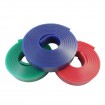
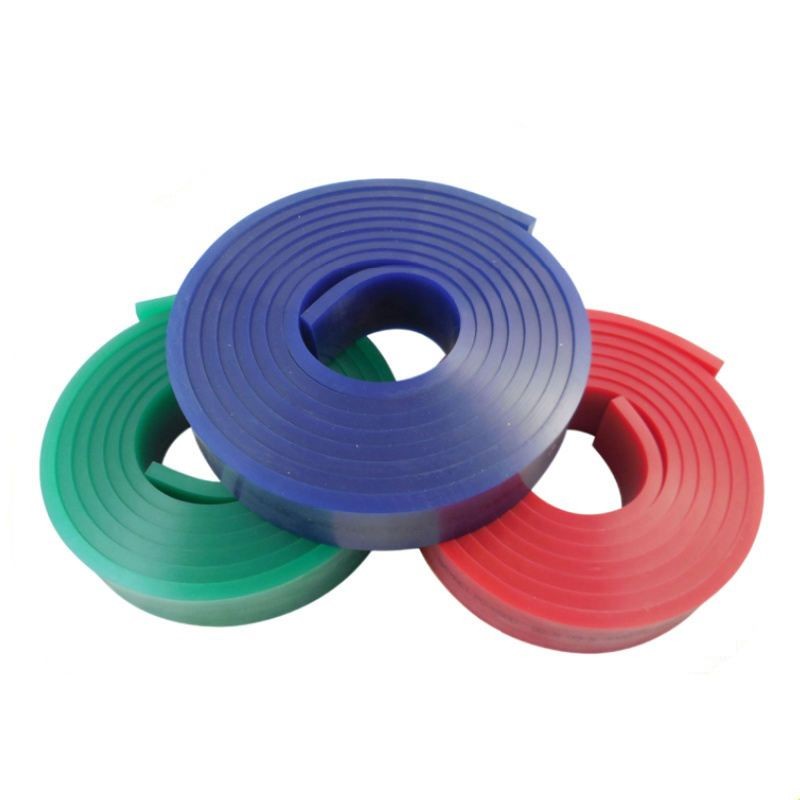
- Red 65 Shore: suitable for solid areas and thick inks
A soft screen printing squeegee blade, ideal for dark garments and heavier plastisol ink deposits. - Green 75 Shore: versatile use
Suitable for both plastisol and water-based inks. It can be used for everything from spot colours to halftone printing. - Blue 85 Shore: fine ink deposit and detailed designs
A rigid screen printing squeegee blade that produces very fine details and halftone prints. Particularly suitable for plastisol inks.
A consumable for your screen printing squeegees
A squeegee blade in good condition improves ink transfer through the mesh. Operators spend less time correcting prints during production and maintain better control across the full width of the screen.
Replacing a worn screen printing blade also helps reduce waste. Workshops minimise unnecessary test prints, garment reworks and defects caused by poor ink deposition. On repeat production runs, this simple replacement contributes to cleaner and more consistent results.
Replacing only the blade also avoids changing the entire squeegee. Workshops keep their existing tools and replace only the consumable part subject to wear.
How do you choose the right textile screen printing blade?
Choosing the correct screen printing squeegee hardness depends on several factors:
1. The amount of ink deposited
A softer blade flexes more under pressure and pushes further into the garment, depositing more ink. A harder blade remains more rigid and deposits less ink while producing sharper details.
2. The type of textile
Thick or textured fabrics (canvas, denim, fleece) → a softer blade helps the ink penetrate the fibres.
Smooth and lightweight fabrics (fine cotton T-shirts) → a medium or hard blade provides a cleaner and more precise result.
3. Design detail
Fine details, high-frequency halftones and intricate artwork → a hard blade helps prevent ink spreading.
Large solid areas and simple graphics → a soft blade provides better coverage.
4. Ink viscosity
Thick plastisol ink → a softer blade helps force the ink through the mesh.
More fluid water-based ink → a harder blade is generally sufficient.
5. Squeegee angle and printing pressure
Blade hardness interacts with these settings: a soft blade used at a low angle increases ink deposition, while a hard blade at a steeper angle produces a cleaner print.
Blade hardness is part of the overall balance between screen mesh count, ink viscosity and printing pressure. Adjusting one parameter often requires fine-tuning the others.
A simple consumable to manage in a screen printing workshop
Screen printing squeegee blades are consumables that should be kept in stock. They are used to build new squeegees, replace worn blades or adapt equipment to specific production requirements.
This format suits textile printing workshops producing small, medium or large runs. Operators save time during setup and maintain equipment that matches the desired print result.